What to prefer online or offline mode of industrial training - Solitaire Infosystems
Request a Quote !

Request a Quote !

Request a Quote !

Blogs

What to prefer online or offline mode of industrial training

  • By: admin
  • date: Mar 28, 2025
Blog Image

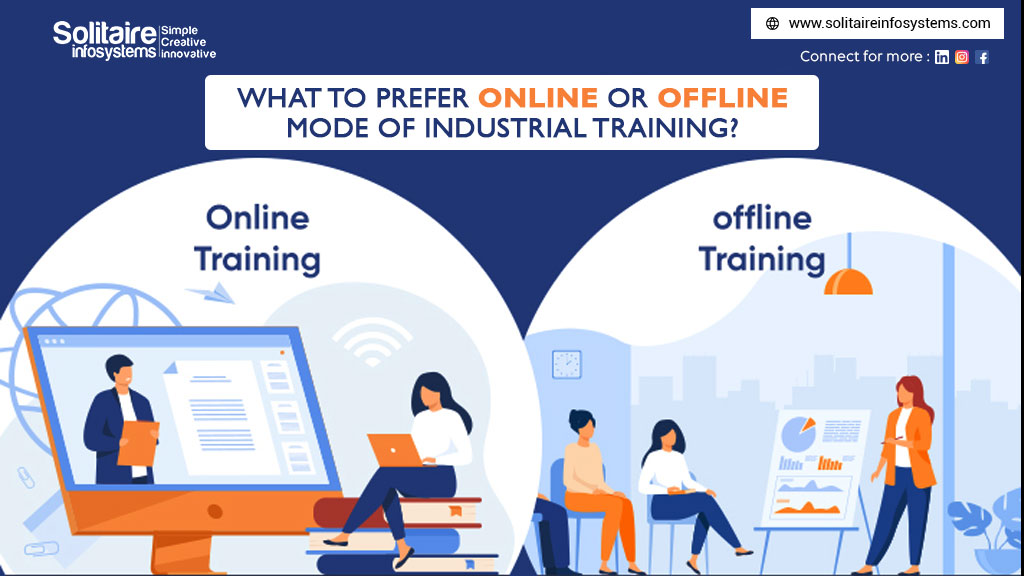
Industrial training, a crucial bridge between academic learning and practical application, plays a pivotal role in shaping a student’s career trajectory. Traditionally, this training has been conducted in an offline, in-person setting. However, the rise of digital technologies has ushered in the era of online industrial training, presenting a compelling alternative. So, which mode is preferable? Let’s delve into a comparative analysis.


Offline Industrial Training: The Traditional Approach

Offline training, characterized by physical presence at a company or training facility, offers several distinct advantages:

  • Hands-on Experience:Direct interaction with machinery, equipment, and real-world scenarios provides invaluable hands-on experience that can be difficult to replicate online.
  • Networking Opportunities:Face-to-face interaction fosters networking opportunities with industry professionals, potentially leading to future job prospects.
  • Mentorship and Guidance:Direct access to mentors and supervisors facilitates personalized guidance and immediate feedback.
  • Immersive Environment:The immersive nature of an offline environment allows for a deeper understanding of industry culture and practices.
  • Teamwork and Collaboration:Working alongside colleagues in a physical space encourages teamwork and collaborative problem-solving.

However, offline training also presents certain drawbacks:

  • Geographical Limitations:Students may face geographical limitations due to the location of training facilities.
  • Time and Cost:Commuting, accommodation, and other logistical expenses can add to the overall cost and time commitment.
  • Rigid Schedules:Offline training often adheres to rigid schedules, which may not be feasible for all students.
  • Limited Accessibility:Individuals with disabilities or those living in remote areas may find offline training inaccessible.


Online Industrial Training: The Digital Revolution

Online training, leveraging digital platforms and technologies, offers a flexible and accessible alternative:

  • Flexibility and Convenience:Students can learn at their own pace and convenience, fitting training around their existing commitments.
  • Accessibility:Online training eliminates geographical barriers, making it accessible to students worldwide.
  • Cost-Effectiveness:Reduced travel and accommodation costs make online training a more affordable option.
  • Technological Proficiency:Engaging with digital tools and platforms enhances students’ technological proficiency.
  • Diverse Learning Resources:Online platforms offer access to a wide range of learning resources, including videos, simulations, and interactive modules.

However, online training also has its limitations:

  • Lack of Hands-on Experience:Replicating the hands-on experience of offline training can be challenging.
  • Limited Interaction:The absence of face-to-face interaction can hinder networking and mentorship opportunities.
  • Technical Challenges:Reliance on technology can lead to technical glitches and connectivity issues.
  • Self-Discipline and Motivation:Online learning requires strong self-discipline and motivation to stay on track.
  • Difficulty in practical skill acquisition:some skills require physical interaction.


The Hybrid Approach: Best of Both Worlds

In many cases, a hybrid approach, combining the benefits of both online and offline training, can be the most effective solution. This approach allows students to gain theoretical knowledge and foundational skills online while complementing it with practical, hands-on experience in an offline setting.


Solitaire Infosys – Hybrid Mode Of learning

Solitaire Infosys, like many modern IT companies, likely uses a blend of online and offline training methods. In the IT industry, many theoretical concepts, coding, and software training can be effectively delivered online. However, practical application, team projects, and client interactions may require in-person sessions.

Here’s how a company like Solitaire Infosys might implement a hybrid approach:

  • Online Modules:
  • Introduction to programming languages and frameworks.
  • Software development methodologies.
  • Database management and cloud computing.
  • Online coding challenges and assessments.
    • Offline Sessions:
  • Team-based projects and collaborative development.
  • Client meetings and presentations.
  • Hands-on experience with specific software or hardware.
  • Workshops and seminars conducted by industry experts.
  • Onsite training with company systems and infrastructure.

You can check the specific training program details that Solitaire Infosys provides to get the most accurate information.


Conclusion

The optimal mode of industrial training depends on the specific industry, the nature of the skills being acquired, and the individual student’s needs and preferences. While offline training offers invaluable hands-on experience and networking opportunities, online training provides flexibility, accessibility, and cost-effectiveness. The hybrid approach, combining the strengths of both modes, often represents the most balanced and effective solution. In the ever-evolving landscape of industrial training, adaptability and a willingness to embrace new technologies are crucial for success.


About the Author

Comments